
Economic Reform Plan Featuring Significant Food Tax Cut Gains Momentum Across Japan

Reasons Behind the Tax Cut
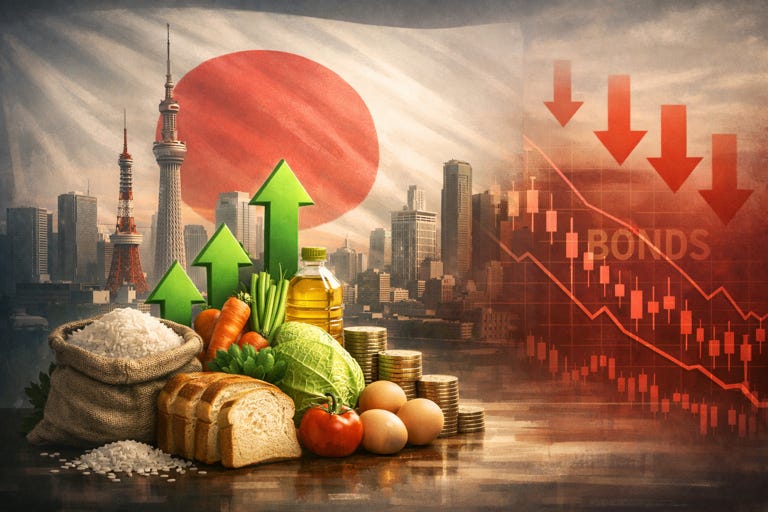
The primary motivation for the food tax cut is to address household financial strain. Many Japanese families face increasing expenses, especially for essential goods like groceries. The inflationary pressures in recent years have further heightened the cost of living, prompting the government to intervene. By reducing the consumption tax on food, the policy directly benefits everyday purchases, providing immediate relief to families across the country.
Another reason is economic stimulation. Japan has struggled with low domestic consumption for years, contributing to slow economic growth. Lowering taxes on food can increase purchasing power, encouraging people to spend more, which in turn supports businesses and the broader economy. This approach mirrors fiscal strategies used in other developed countries during periods of economic slowdown.
How the Food Tax Cut Works
Under the new policy, the government reduces the consumption tax rate on certain food products. Items classified as necessities, such as fresh produce, dairy, and meat, will benefit from a lower tax rate. The policy also clarifies exemptions and ensures that processed and prepackaged foods are taxed at a slightly higher rate than raw essentials, maintaining fairness in the system. Retailers and businesses are required to adjust their pricing and accounting systems to reflect the tax changes, which may involve administrative updates and consumer education campaigns.
Expected Benefits and Challenges
The food tax cut is expected to provide immediate financial relief to households, particularly those with children or elderly family members who spend a larger portion of their income on groceries. It may also encourage domestic consumption, helping small and medium-sized businesses that rely heavily on food sales.
However, challenges exist. Implementing the tax cut requires careful monitoring to prevent misuse or confusion among consumers and retailers. Additionally, while the policy aims to stimulate spending, its long-term impact on economic growth may be limited if other structural issues, such as wage stagnation and demographic decline, are not addressed.
Broader Economic and Social Implications
Beyond immediate financial relief, the food tax cut sends a siJapan food tax cutgnal about the government’s priorities. It demonstrates a commitment to supporting families and improving quality of life. Socially, the policy may help reduce food insecurity and ease the economic burden on vulnerable populations. Economically, it encourages a shift toward domestic consumption, which can contribute to more sustainable growth patterns in the long term.
Conclusion
Japan’s food tax cut represents a strategic effort to balance fiscal responsibility with social welfare. By easing the tax burden on essential food items, the government hopes to boost household spending, support businesses, and address broader economic challenges. While it is not a comprehensive solution to all economic issues, the policy provides tangible relief to citizens and highlights the importance of thoughtful tax policies in modern economies.
Word count: 527
Is this conversation helpful so far?