
FAA Warning: What It Means, Why It Matters, and How It Affects You

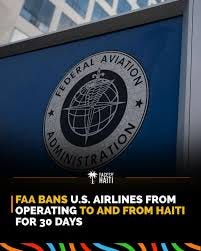
Understanding the FAA Warning
An FAA Warning refers to an official notice or alert issued by the Federal Aviation Administration, the primary aviation authority in the United States, when a safety concern, regulatory violation, or potential risk is identified in the aviation system. These warnings are not random or routine messages; they are carefully crafted communications designed to prevent accidents, protect passengers, and maintain order in an extremely complex airspace. The FAA oversees everything from commercial airlines and private pilots to drones and airport operations, so when it raises a warning, it usually signals that something requires immediate attention. A warning might involve maintenance issues in aircraft, procedural errors by airlines, unsafe pilot behavior, or even environmental hazards such as severe weather patterns. What makes an FAA Warning particularly important is that it often serves as the first step in enforcement or corrective action, giving operators a chance to fix problems before more serious penalties are applied.
Why the FAA Issues Warnings
The main purpose of issuing an FAA Warning is prevention rather than punishment. Aviation is built on the principle that learning from small mistakes prevents catastrophic ones. When inspectors or monitoring systems detect irregularities, the FAA may issue a warning to notify the responsible party that a regulation has been breached or that a practice could lead to danger if not corrected. For example, an airline might receive a warning for repeatedly delaying required maintenance checks, or a pilot might be warned for violating airspace restrictions. These warnings are part of a larger safety culture that emphasizes transparency and accountability. Instead of waiting for an accident to happen, the FAA intervenes early, which has been a major reason commercial aviation remains one of the safest forms of transportation in the world.
Types of FAA Warnings FAA Warning
FAA Warnings can take several forms depending on the severity and nature of the issue. Some are informal, such as a Notice of Correction, which simply highlights a minor issue that should be addressed. Others are more formal, such as a Letter of Warning, which indicates a more serious or repeated violation. In some cases, warnings are made public, especially when they involve systemic risks affecting multiple operators or the flying public. There are also urgent warnings related to immediate threats, such as grounding certain aircraft models due to design flaws or issuing airworthiness directives when a specific part is found to be defective. Each type of warning plays a role in maintaining the safety chain that stretches from aircraft manufacturers all the way to the passengers in their seats.
How FAA Warnings Impact Airlines and Pilots
For airlines and pilots, an FAA Warning is both a caution and an opportunity. On one hand, it can affect reputation, operational schedules, and even finances if changes must be made quickly. On the other hand, it offers a chance to correct mistakes before they escalate into fines, license suspensions, or legal actions. Airlines may have to revise training programs, update maintenance procedures, or temporarily remove aircraft from service. Pilots may need to undergo additional training or medical evaluations, depending on the issue. While this might seem strict, it is precisely this rigorous oversight that keeps aviation accidents relatively rare. In many cases, responding properly to a warning can actually improve an operator’s long-term safety record and public trust.
What FAA Warnings Mean for Passengers
For the general public, hearing about an FAA Warning can be alarming, but it is important to understand that such warnings usually indicate that the safety system is working as intended. When the FAA identifies a problem and communicates it openly, it reduces the chance that the problem will turn into a disaster. Passengers benefit from this transparency, even if it sometimes results in flight delays or cancellations. A delayed flight because of a maintenance-related warning is far preferable to flying on an aircraft that might be unsafe. In this way, FAA Warnings, while inconvenient at times, are ultimately in the best interest of travelers.
The Broader Importance of FAA Warnings
Beyond individual cases, FAA Warnings contribute to the continuous improvement of the entire aviation industry. Data collected from warnings helps regulators spot trends, such as recurring mechanical failures or common procedural mistakes, which can then be addressed through updated regulations or new technologies. This feedback loop has led to major advances in aircraft design, navigation systems, and pilot training over the decades. The global aviation community often looks to the FAA as a model, and its warnings and directives frequently influence international aviation standards as well.
Conclusion
An FAA Warning is far more than a simple notice; it is a vital tool in preserving the safety, reliability, and trustworthiness of air travel. By identifying risks early, guiding corrective action, and promoting accountability, these warnings help ensure that millions of people can fly safely every day. While they may sometimes cause short-term disruption, their long-term value is undeniable. In a world where air travel is essential for business, tourism, and personal connections, FAA Warnings quietly but powerfully play a role in keeping the skies secure for everyone.