
From Symptom Checkers to Predictive Analytics: The Expanding Capabilities of AI in Medical Mobile Platforms

Introduction to AI Medical Apps
Artificial Intelligence (AI) medical apps are rapidly transforming the healthcare landscape. These applications use advanced algorithms, machine learning, and data analytics to assist in diagnosis, treatment planning, patient monitoring, and overall health management. With the widespread use of smartphones and wearable devices, AI-powered medical tools are now more accessible than ever. They provide users with real-time insights into their health while supporting healthcare professionals in delivering more efficient and accurate care.
The growing demand for convenient and affordable healthcare solutions has accelerated the development of AI medical apps. From symptom checkers to mental health support platforms, these digital tools are redefining how individuals interact with healthcare systems.
How AI Medical Apps Work
AI medical apps operate by analyzing large volumes of medical data. They are trained on datasets that include medical records, clinical studies, imaging scans, and patient-reported symptoms. Machine learning models identify patterns within this data and use them to make predictions or recommendations.
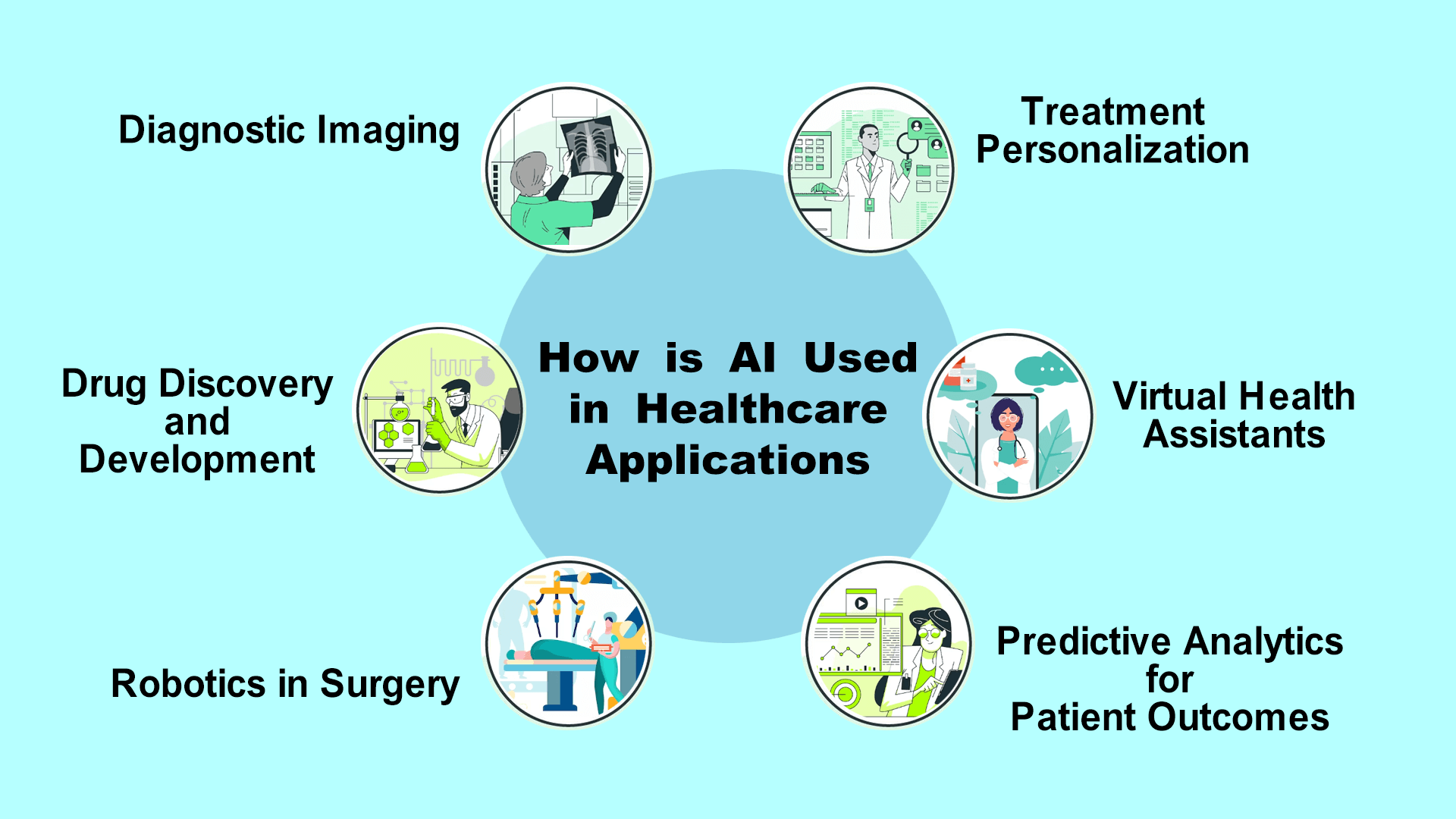
For example, symptom checker apps allow users to input their symptoms and receive possible diagnoses based on probability models. Similarly, AI-powered imaging apps can analyze X-rays, MRIs, or CT scans to detect abnormalities such as tumors or fractures. Some apps also integrate with wearable devices to track heart rate, sleep cycles, blood oxygen levels, and physical activity. By continuously monitoring these metrics, AI systems can alert users to potential health risks before they become severe.
Benefits for Patients
One of the most significant advantages of AI medical apps is accessibility. Patients can receive preliminary health assessments without immediately visiting a clinic. This is particularly beneficial for individuals living in remote or underserved areas where medical facilities are limited.
AI apps also empower users to take control of their health. Personalized recommendations for diet, exercise, medication reminders, and chronic disease management help patients stay proactive. For example, diabetic patients can use AI-driven apps to monitor glucose levels and receive dietary guidance tailored to their specific condition.
Additionally, AI medical apps often reduce waiting times and healthcare costs. Early detection of potential issues can prevent complications, ultimately lowering treatment expenses and improving overall outcomes.
Support for Healthcare Professionals
AI medical apps are not designed to replace doctors but to enhance their capabilities. Healthcare professionals use AI tools to streamline administrative tasks, analyze patient data more efficiently, and support clinical decision-making.
In radiology and pathology, AI systems can quickly review thousands of images and highlight suspicious areas for further examination. This reduces human error and allows doctors to focus on complex cases requiring deeper expertise. Moreover, AI-driven predictive analytics can help hospitals manage resources, anticipate patient admissions, and improve workflow efficiency.
By automating repetitive processes, AI medical apps free up valuable time for healthcare providers, enabling them to deliver more personalized and attentive care.
Challenges and Ethical Concerns
Despite their advantages, AI medical apps face several challenges. Data privacy and security remain major concerns. Since these apps handle sensitive health information, robust cybersecurity measures are essential to protect users from data breaches.
Accuracy is another critical issue. AI systems are only as reliable as the data they are trained on. Inaccurate or biased datasets can lead to incorrect diagnoses or unequal treatment recommendations. Therefore, continuous monitoring, validation, and regulation are necessary to ensure safety and fairness.
There is also the concern of overreliance on technology. While AI can provide helpful guidance, it should not replace professional medical adAI medical appsvice. Users must understand the limitations of these applications.
The Future of AI Medical Apps
The future of AI medical apps looks promising. With advancements in deep learning, natural language processing, and wearable technology, these tools will become even more sophisticated and accurate. Integration with telemedicine platforms will further enhance remote healthcare services, making medical support available anytime and anywhere.
As regulations improve and technology evolves, AI medical apps will likely play a central role in preventive care, early diagnosis, and personalized treatment. By combining human expertise with artificial intelligence, healthcare systems worldwide can become more efficient, inclusive, and patient-centered.