
Kevin Warsh and the Intersection of Central Banking, Regulation, and Market Dynamics

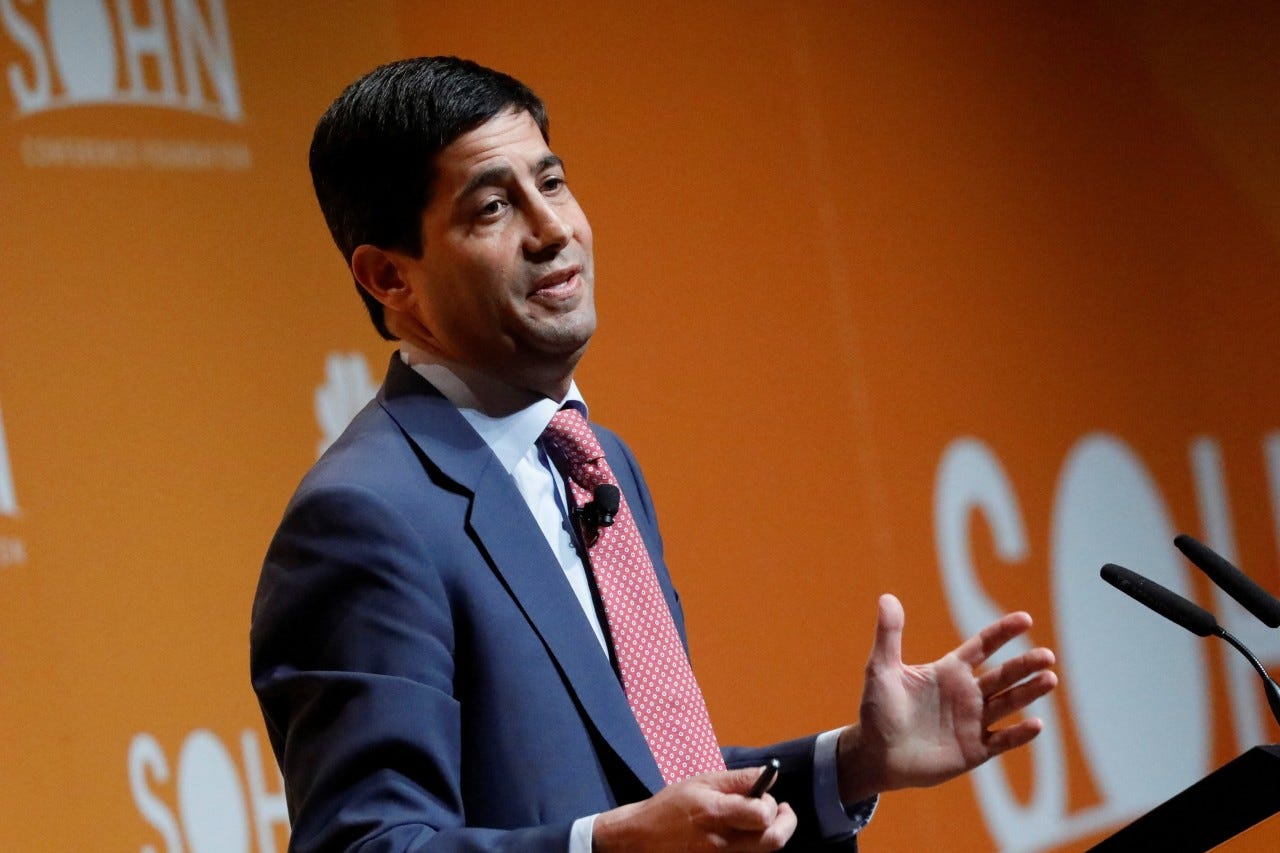
Kevin Warsh is a name that resonates with significant influence within U.S. economic circles. As a former member of the Federal Reserve Board of Governors, Warsh played a vital role in shaping the nation’s monetary policy during a crucial time in history. His career reflects not only his deep understanding of the economy but also his commitment to ensuring the stability of U.S. financial systems during turbulent times. This article will explore Warsh’s background, his contributions to economic policy, and his lasting impact on financial regulation.
Early Life and Education
Kevin Warsh was born in 1970 and raised in a family that valued hard work and intellectual achievement. He attended Stanford University, where he earned his undergraduate degree in political science. His academic journey then led him to Harvard Law School, where he received his J.D. in 1995. This strong educational foundation provided him with the necessary skills to analyze complex economic and legal issues, which would later prove invaluable in his role at the Federal Reserve.
Warsh’s early career also included stints in both the public and private sectors. Before joining the Federal Reserve, he worked as an associate in various prestigious law firms and was involved in regulatory matters concerning financial markets. These experiences honed his analytical abilities and gave him a nuanced understanding of the financial sector’s intricacies.
Appointment to the Federal Reserve
In 2006, Kevin Warsh was appointed to the Federal Reserve Board of Governors by then-President George W. Bush. At just 36 years old, Warsh was one of the youngest individuals ever to serve on the Fed’s board, a testament to his expertise and the trust placed in him by the White House. During his time at the Federal Reserve, Warsh was a key figure in the crafting of policies that would help navigate the U.S. through the global financial crisis of 2007-2008.
Warsh was often considered a strong advocate for market-driven solutions and took a more hawkish stance on inflation control compared to some of his colleagues. While many members of the Fed’s board favored more aggressive intervention to stabilize the economy, Warsh’s views leaned toward a more cautious approach. He believed in the importance of preserving the integrity of market dynamics and was concerned about long-term inflationary risks posed by large-scale government intervention.
The Role During the 2008 Financial Crisis
The global financial crisis of 2008 was a pivotal moment for both the U.S. economy and Kevin Warsh’s career. As the crisis unfolded, Warsh found himself at the center of discussions regarding the Federal Reserve’s response to the economic meltdown. He participated in shaping the Fed’s monetary policy responses, including the controversial decision to lower interest rates and implement various emergency lending programs to stabilize the financial markets.
Warsh’s opinions during the crisis often reflected his belief in limited government intervention. He was cautious about the long-term effects of the Fed’s interventions, particularly in terms of how these actions might distort market behavior and undermine economic fundamentals. Despite his reservations, Warsh recognized the immediate necessity of acting to prevent a deeper economic collapse. His nuanced views placed him as a voice of reason within the Fed during a time when drastic measures were needed.
Departure from the Federal Reserve and Post-Fed Career
Kevin Warsh left the Federal Reserve in 2011, after serving a term that spanned five years. His departure came at a time when the economic recovery was still fragile, and discussions about the Fed’s future direction were intensifying. Despite leaving the Fed, Warsh’s influence on U.S. economic policy did not fade.
In the years following his departure, Warsh has become a prominent voice in financial and economic circles. He has written for major publications like The Wall Street Journal and has been involved with various financial institutions. Warsh has also served on the board of directors for several companies and organizations, continuing to offer his expertise on economic and financial matters. Kevin WarshMoreover, Warsh’s views on economic policy have remained relevant, particularly in discussions surrounding the role of central banks in the global economy. His critiques of expansive monetary policies, including the use of quantitative easing by the Federal Reserve, have sparked debates on the long-term effects of such measures. Warsh has continued to advocate for policies that encourage free-market competition and caution against excessive government interference.
Conclusion
Kevin Warsh’s career is marked by his intellectual rigor, his nuanced views on economic policy, and his unwavering commitment to ensuring the stability of the U.S. economy. As a former Federal Reserve governor, Warsh played a key role during one o