
Maritime Security Challenges and Naval Operations in the Strait of Hormuz

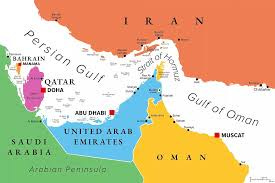
Persian Gulf and the Gulf of Oman, it serves as a crucial passage for international trade, especially in energy resources. The strait is narrow, yet it plays a massive role in global geopolitics due to its location and economic importance. Its strategic significance has made it a focal point of international attention, particularly in discussions about energy security and regional stability.
Geographic Importance
The Strait of Hormuz stretches approximately 21 miles (33 kilometers) at its narrowest point, connecting the oil-rich Persian Gulf countries to the Arabian Sea and beyond. This narrow waterway separates Iran to the north and the United Arab Emirates and Oman to the south. Despite its relatively small size, it is a vital conduit for the transport of crude oil, natural gas, and other goods. The strait’s geography makes it both a critical trade route and a potential flashpoint for military tensions.
Economic Significance
Nearly one-fifth of the world’s petroleum passes through the Strait of Hormuz, making it indispensable for global energy supply. Countries like Saudi Arabia, Iraq, Kuwait, and the United Arab Emirates rely heavily on this route for exporting oil. Any disruption in the strait can cause fluctuations in global oil prices and impact economies worldwide. Additionally, natural gas shipments from Qatar and other nations also pass through the strait, underlining its significance in global energy trade. The dependence of major economies on the strait emphasizes its role as an economic lifeline.
Security Concerns
Due to its strategic importance, the Strait of Hormuz has been a hotspot for geopolitical tensions. Iran has periodically threatened to close the strait in response to international sanctions or military pressures. Such threats have raised concerns about potential disruptions to global energy supplies. The narrowness of the waterway makes it vulnerable to blockades, accidents, or military confrontations. As a result, major naval powers, including the United States, maintain a presence in the region to ensure the free flow of maritime traffic and prevent conflicts from escalating.
Environmental Considerations
The Strait of Hormuz is not only vital for trade but also significant for marine ecosystems. Its waters host diverse marine life, including fish, coral reefs, and other aquatic species. Heavy maritime traffic, oil spills, and potential military conflicts pose environmental risks that could have long-term consequences for the region. Conservation efforts and careful maritime management are crucial to protect the strait’s ecosystem while balancing its economic and strategic importance.
Conclusion
The Strait of Hormuz remains one of the most critical maritime chokepoints in the world. Its unique geography, economic importance, and security challenges make it a focal point for global attention. Ensuring its safety and maintaining open access are essential not only for the nations in the Persian Gulf but also for the stability of global energy markets. As international reliance on oil and gas continues, the Strait of Hormuz will remain a central player in geopolitics, economics, and environmental discussions.
Word Count: 528Strait of Hormuz