

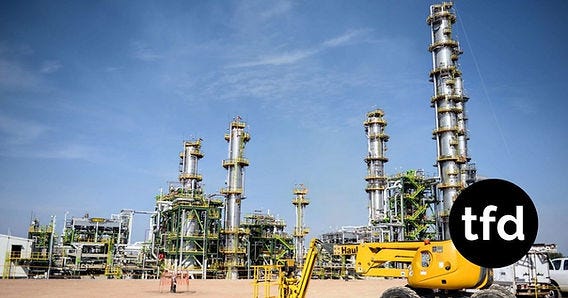
Oil has long been a cornerstone of Mexico’s economy, shaping its industrial and geopolitical strategies for decades. The discovery of oil in the early 20th century transformed Mexico into one of the leading oil producers in Latin America. Over time, Mexico’s state-owned oil company, Pemex, became a symbol of national pride and economic sovereignty. Cuba, on the other hand, has historically faced challenges in exploiting its own oil reserves due to technological limitations and political constraints, particularly during the decades-long U.S. embargo. Despite these hurdles, Cuba has pursued strategic partnerships with foreign companies, including those from Latin America, to develop its hydrocarbon potential. The geographical proximity of Mexico and Cuba, combined with their shared interest in energy security and economic development, has naturally led to discussions and collaborations regarding oil exploration, extraction, and trade.
Economic Implications of Bilateral Oil Cooperation
The economic benefits of oil-related cooperation between Mexico and Cuba are significant. For Mexico, exporting oil or providing technical expertise to Cuba represents an opportunity to expand its influence in the Caribbean energy market and strengthen trade relations with a neighboring nation. Cuba benefits from access to advanced extraction technology, financial investment, and the possibility of increasing domestic oil production to reduce reliance on imports. Such cooperation can also stabilize energy prices and contribute to regional energy security. Additionally, the potential for joint ventures in refining, transportation, and storage infrastructure creates avenues for job creation and industrial growth in both countries. This economic synergy is particularly relevant today, as global energy markets face volatility and nations look to diversify their sources of crude oil and refined products.
Geopolitical Significance of Mexico-Cuba Oil Relations
Mexico and Cuba’s oil relationship also carries considerable geopolitical weight. Historically, Cuba’s energy dependence has been a factor in its international alliances, particularly with Venezuela and Russia. By engaging with Mexico in energy initiatives, Cuba may seek to diversify its partnerships and reduce over-reliance on a single country or bloc. For Mexico, participating in Cuba’s oil sector can strengthen its diplomatic presence in the Caribbean and signal its commitment to regional cooperation, independent of larger global powers. This strategic dimension is further reinforced by the fact that both countries are members of various regional organizations, such as the Community of Latin American and Caribbean States (CELAC), which encourages energy collaboration and integration. Collaborative energy initiatives can, therefore, serve as a platform for broader political dialogue and alignment on regional priorities.
Challenges in Mexico-Cuba Oil Cooperation
Despite the potential benefits, several challenges complicate Mexico-Cuba oil relations. Regulatory frameworks, bureaucratic hurdles, and differences in energy policy approaches can slow project implementation. Additionally, the fluctuating international oil market, combined with economic sanctions and restrictions affecting Cuba, creates uncertainty for investment and long-term planning. Environmental considerations, such as the ecological impact of offshore drilling in the Gulf of Mexico and the Caribbean Sea, also require careful management. Both nations must balance the pursuit of energy development with sustainable practices to avoid long-term damage to their marine ecosystems and coastal communities. Addressing these challenges requires comprehensive planning, transparency in negotiations, and strong bilateral mechanisms for dispute resolution and risk management.
Future Prospects and Strategic Outlook Mexico Cuba oil
Looking ahead, the future of Mexico-Cuba oil collaboration is promising but contingent on careful strategic planning. Advances in extraction technology, the global shift toward cleaner energy, and regional initiatives to improve energy independence could open new avenues for cooperation. Joint research on renewable energy alternatives and hybrid energy models may complement traditional oil ventures, creating a more sustainable energy partnership. Furthermore, as international trade restrictions on Cuba evolve, Mexico could play an increasingly central role in supporting Cuba’s energy sector through investment, knowledge transfer, and infrastructure development. A successful Mexico-Cuba oil partnership could not only strengthen bilateral ties but also serve as a model for regional energy cooperation, demonstrating how neighboring nations can leverage shared resources for mutual economic and geopolitical benefit.