
Minneapolis Border Patrol Shooting: What We Know and Why It Matters

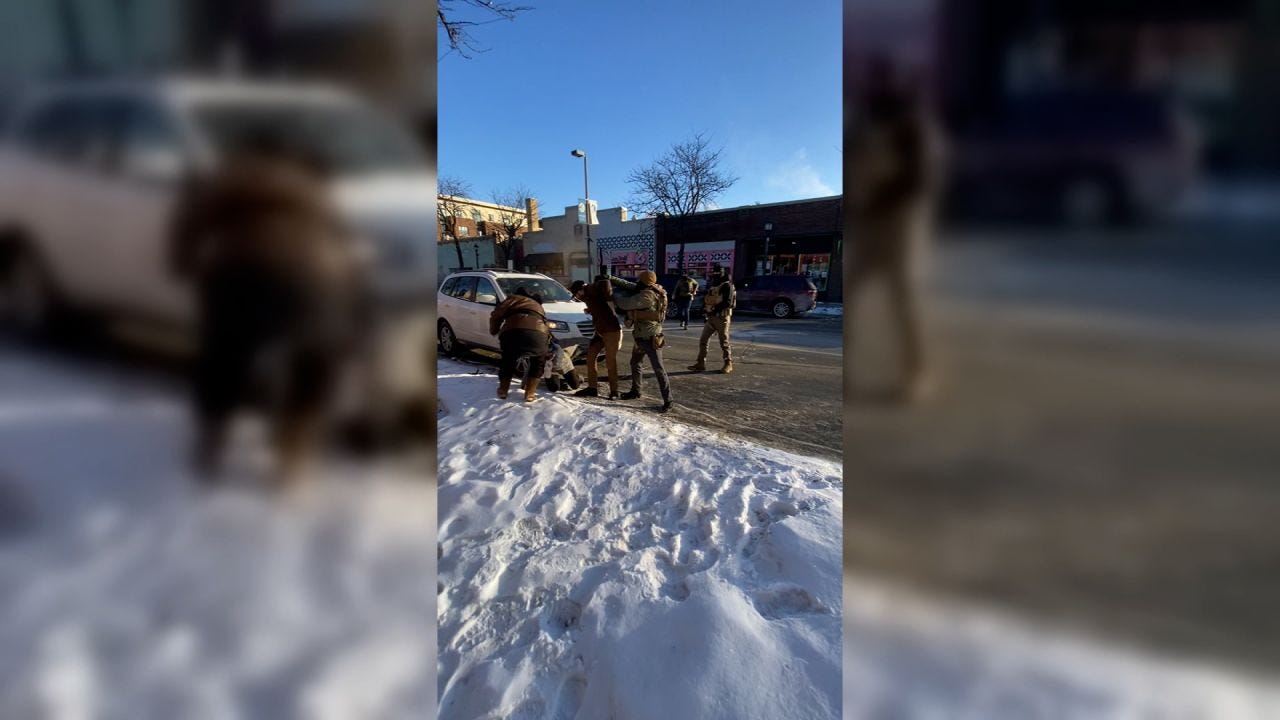
The Minneapolis Border Patrol shooting drew national attention because it occurred far from the U.S. southern border and involved federal immigration enforcement personnel operating in an urban Midwestern setting. According to publicly reported information, the incident involved Border Patrol or a related federal immigration agency operating in or around Minneapolis when a shooting occurred during an enforcement action. Law enforcement officials stated that the situation unfolded rapidly, resulting in gunfire that left at least one person injured or killed. As with many officer-involved shootings, early details were limited, and investigators cautioned the public against drawing conclusions before all evidence was reviewed.
Role of Border Patrol in the Region
U.S. Border Patrol is commonly associated with border states, but its authority extends nationwide under the Department of Homeland Security. In Minnesota, Border Patrol agents often operate near the northern border with Canada, focusing on immigration enforcement, drug interdiction, and human trafficking investigations. Operations in Minneapolis itself are less common and often occur as part of joint task forces or targeted enforcement actions. This broader jurisdiction has long been controversial, with critics questioning whether border-focused agencies should conduct armed operations deep inside U.S. cities, while supporters argue that such authority is necessary to combat organized crime networks.
What Authorities Have Said
Federal officials indicated that the shooting occurred while agents were carrying out their duties, and they emphasized that the use of force would be reviewed under established protocols. Typically, such investigations involve internal reviews by the agency, as well as oversight from independent bodies such as the FBI or local prosecutors. Authorities stated that body-worn cameras, witness statements, and forensic evidence would be examined to determine whether the shooting complied with federal use-of-force policies. At the time of reporting, officials had not released the names of all individuals involved, citing ongoing investigations and the need to notify family members.
Community Reaction and Public Concern
The incident sparked concern among Minneapolis residents, particularly given the city’s recent history with high-profile police use-of-force cases. Community leaders and civil rights advocates called for transparency, timely release of information, and independent oversight. For many residents, the involvement of federal immigration agents added another layer of anxiety, especially within immigrant communities that already report strained relationships with law enforcement. Peaceful gatherings and statements from advocacy groups emphasized the need for accountability while urging the public to remain calm until all facts were known.
Legal and Policy Implications
Officer-involved shootings by federal agents raise complex legal questions, including which jurisdiction leads the investigation and how accountability is enforced. Unlike local police departments, federal agencies operate under different disciplinary systems, which some critics argue can limit public oversight. The Minneapolis Border Patrol shooting has renewed debate about the scope of federal law enforcement powers, the rules governing use of lethal force, and the coordination between federal and local authorities. Lawmakers at both the state and federal levels have faced calls to review existing policies to ensure that civil liberties are protected during enforcement actions. Minneapolis Border Patrol shooting
Broader Context and Ongoing Investigation
This shooting did not occur in isolation but rather within a national conversation about law enforcement practices, immigration policy, and public trust. As investigations continue, officials are expected to release more detailed findings, including whether agents followed protocol and whether any charges or disciplinary actions are warranted. For Minneapolis, the case underscores ongoing tensions around policing and the presence of armed law enforcement in civilian spaces. The final conclusions of the investigation will likely influence future operational decisions and could shape policy discussions well beyond Minnesota, highlighting the lasting impact of a single, tragic encounter.