
Modern Workwear Trends: Balancing Functionality and Style in Today’s Professional Wardrobe

Workwear trends have undergone a remarkable transformation in recent years, reflecting shifts in workplace culture, technological advancements, and evolving fashion sensibilities. No longer confined to the traditional notion of stiff suits and formal attire, modern workwear is increasingly characterized by a blend of comfort, versatility, and style that meets the demands of today’s dynamic professional environments. From corporate offices to creative studios, and even remote work settings, the way people dress for work has adapted to new expectations around practicality and self-expression, making workwear trends a fascinating area of contemporary fashion.
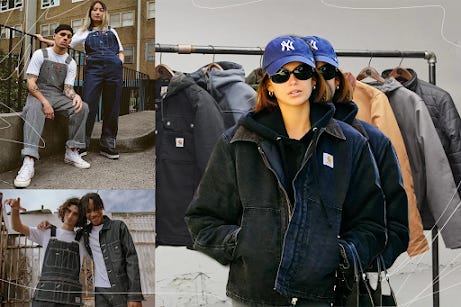
One of the most notable shifts in workwear is the growing emphasis on comfort and mobility without sacrificing professionalism. The rise of business casual and smart casual dress codes has encouraged designers and brands to create garments that are both polished and practical. Fabrics with stretch, breathability, and wrinkle-resistant properties have become essential components of modern workwear collections. For example, chinos and tailored trousers with elasticated waistbands or blended materials are now favored for their ability to provide freedom of movement during long workdays. Similarly, blazers and shirts made from lightweight, breathable fabrics allow professionals to maintain a sharp appearance while staying comfortable throughout the day. This trend reflects a broader cultural shift where the boundaries between formal and casual attire are blurred, allowing individuals to adapt their clothing to different work settings with ease.
Sustainability has also become a key focus within workwear trends, as consumers and companies alike prioritize eco-friendly practices and materials. Many brands now emphasize the use of organic cotton, recycled polyester, and other sustainable fabrics to reduce the environmental footprint of their products. Additionally, the concept of “slow fashion” encourages investing in high-quality, durable workwear pieces that can withstand frequent use without quickly wearing out. This approach challenges the disposable nature of fast fashion and promotes a more mindful attitude toward clothing consumption. In the context of workwear, sustainability means not only choosing eco-conscious materials but also supporting ethical production methods, which has gained importance as workers and consumers demand greater transparency and responsibility from fashion brands.
Another important trend shaping workwear is the influence of technology and innovation in fabric development. Technical textiles that offer features like moisture-wicking, temperature regulation, and stain resistance are increasingly integrated into professional attire. These advancements make workwear trends garments more adaptable to different climates and workplace conditions, enhancing comfort and functionality. For instance, some workwear collections now include jackets with water-repellent coatings or shirts designed to keep the wearer cool under pressure. This fusion of fashion and technology reflects the growing demand for clothing that can perform under the stress of busy work environments, supporting both physical well-being and professional confidence.
The aesthetic aspect of workwear has also evolved, with greater attention given to individuality and personal style. While classic staples like tailored suits and crisp shirts remain relevant, many professionals now experiment with colors, patterns, and accessories to express their unique identities. Earth tones, muted pastels, and subtle prints have become popular choices, adding visual interest without compromising professionalism. Accessories such as sleek watches, minimalist belts, and refined footwear play an important role in completing the modern workwear look. This trend is particularly evident in creative industries and startups, where the dress code is more relaxed and encourages personal expression. However, even in more traditional settings, the integration of subtle style elements into workwear is helping to redefine what it means to dress professionally in the 21st century.
Lastly, the rise of remote and hybrid work models has further influenced workwear trends by reshaping what people wear during their workday. With many professionals spending significant time working from home, the demand for clothing that balances comfort with presentability has increased. This has led to a surge in versatile pieces that transition seamlessly from virtual meetings to casual environments, such as knit blazers, polished sweatshirts, and smart loungewear. The focus is on creating a wardrobe that supports productivity and confidence while accommodating a more flexible lifestyle. This shift has encouraged brands to rethink traditional workwear silhouettes and embrace a more inclusive, adaptive approach that aligns with the evolving nature of work itself.
In conclusion, workwear trends today represent a thoughtful integration of comfort, sustainability, innovation, and personal style. As the professional world continues to change, so too does the way people dress for work, moving beyond rigid dress codes to embrace clothing that supports both function and self-expression. These trends highlight the importance of adaptability and mindfulness in modern workwear, signaling a future where professional attire is as diverse and dynamic as the people who wear it.