
Security, Access, and Humanitarian Relief: Understanding the Complexities of the Rafah Border Crossing

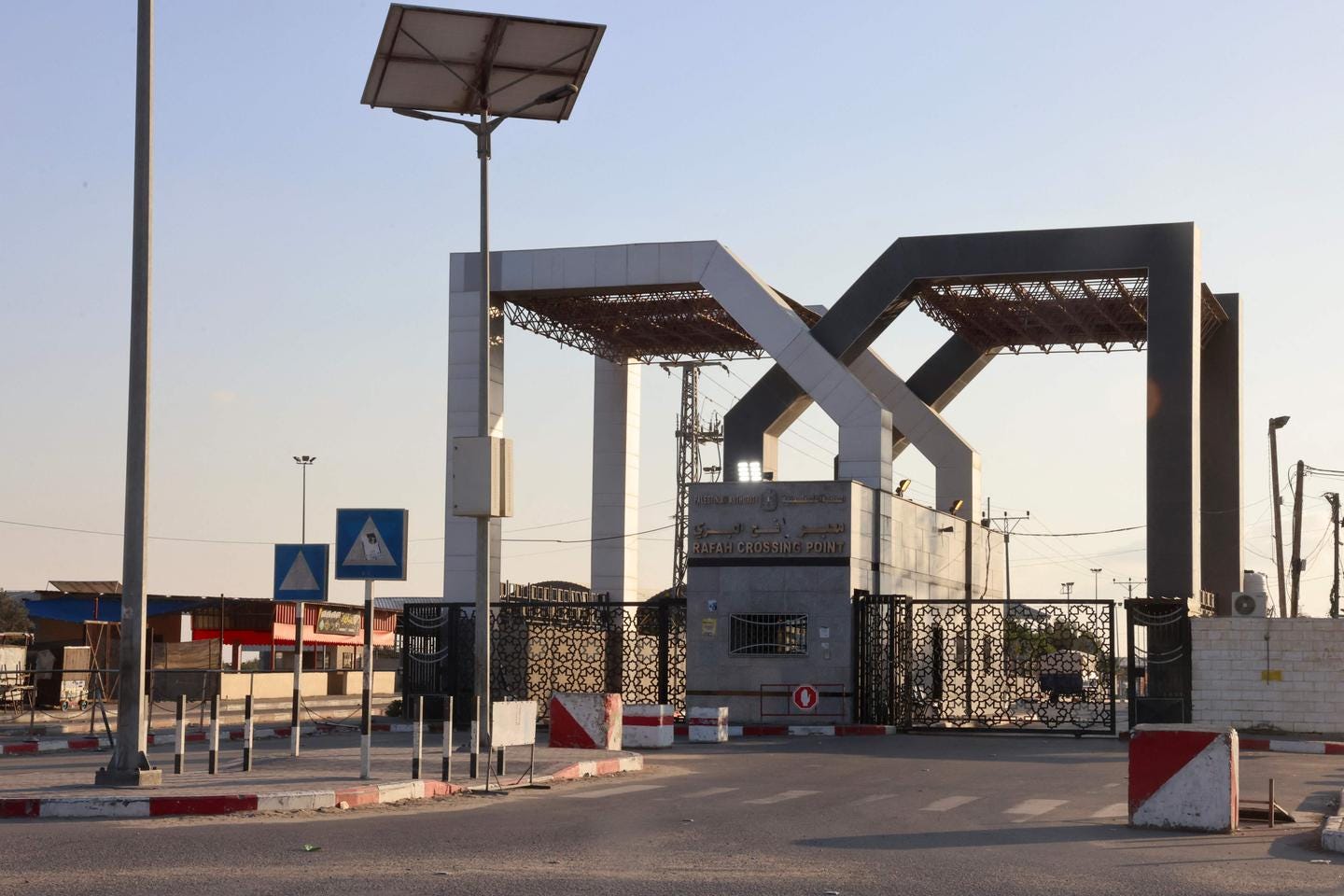
movement of people, goods, and humanitarian aid in and out of one of the most densely populated and politically sensitive regions in the world. This crossing, often associated with the wider Israeli-Palestinian conflict, also faces numerous logistical, political, and security challenges.
A History Steeped in Conflict
The Rafah border crossing has been in operation in various forms for decades. Its roots trace back to the early years of the Israeli occupation of Gaza following the 1967 Six-Day War. After Israel withdrew its forces from Gaza in 2005, leaving the Palestinian Authority in control, the crossing was initially open, but restrictions soon tightened, and it became more closely managed by both Egypt and Israel.
Following the takeover of Gaza by Hamas in 2007, Israel imposed an even stricter blockade on the territory, drastically limiting the flow of goods and people through Rafah. The situation escalated into several conflicts, during which Egypt, a key regional player, struggled to balance its diplomatic ties with Israel and the need to address the humanitarian crisis in Gaza.
Humanitarian Significance of Rafah
For the people of Gaza, the Rafah crossing is often seen as a lifeline. The crossing facilitates the passage of medical supplies, food, and other vital goods into Gaza, particularly when the Israeli-controlled crossings are closed or restricted. On the other side of the border, Egyptian authorities also work to ensure that humanitarian aid can reach the besieged population. In times of war or escalating violence, the Rafah crossing has served as a vital route for injured Palestinians to receive medical treatment in Egypt.
In addition to humanitarian aid, the Rafah crossing is crucial for the movement of people. Many Palestinians use the crossing to travel for educational purposes, seek medical treatment, or reunite with family members. However, the frequent closures of the crossing have made it difficult for Gazans to leave the strip, creating a sense of isolation and frustration among the population.
The Politics of the Rafah Crossing
The Rafah border crossing is not just a logistical and humanitarian issue; it is deeply entwined with regional politics. Egypt plays a delicate balancing act, trying to maintain peace with Israel while also addressing the needs of Gaza’s population. Over the years, Egypt has at times kept the border open for humanitarian reasons, while at other times, it has closed it in response to security concerns or in line with broader political shifts.
One of the major concerns for Egypt regarding the Rafah crossing is the potential for militant groups to use Gaza as a launching pad for attacks against Egypt’s Sinai Peninsula, which borders Gaza. This region has seen its own struggles with insurgency and terrorism, and the Egyptian government has often cited security reasons for the closure or restricted operation of the Rafah crossing.
Moreover, Egypt’s internal politics, including its relationship with Hamas, which has historical ties to the Muslim Brotherhood, also influence the operation of the crossing. While Egypt shares ideological and political ties with Hamas, it is also wary of the group’s association with radical Islamist movements. This political complexity makes the Rafah crossing an often volatile and unpredictable gateway.
Recent Developments and Future Prospects
In recent years, the Rafah crossing has seen more frequent openings, especially in response to humanitarian emergencies and the urgent need for medical evacuations. However, these openings have remained sporadic and subject to fluctuating political circumstances. The Egyptian government has made some efforts to improve the crossing’s infrastructure, but the broader political environment continues to dictate the flow of people and goods. Rafah border crossing
As of now, the Rafah crossing remains a focal point of international diplomacy. The United Nations, along with various international organizations, has repeatedly called for the border to be kept open to allow for the free flow of goods and people. However, the ongoing Israeli-Palestinian conflict and Egypt’s security concerns continue to complicate these calls.
Looking ahead, the future of the Rafah border crossing will likely depend on several factors, including the resolution of the broader Israeli-Palestinian conflict, the stability of Egypt’s government, and the international community’s ability to broker agreements that prioritize humanitarian needs without compromising regional security.
In conclusion, the Rafah border crossing is more than just a physical gateway—it is a symbol of the complex political, humanitarian, and security issues that shape life in Gaza and its relationship with Egypt and the broader Middle East. While it serves as a vital lifeline for Gazans, the border’s operation remains a contentious and heavily politicized issue, with its future still uncertain.