
Starlink Iran: Connectivity, Control, and the Battle for Digital Access

Understanding Starlink and Its Global Mission
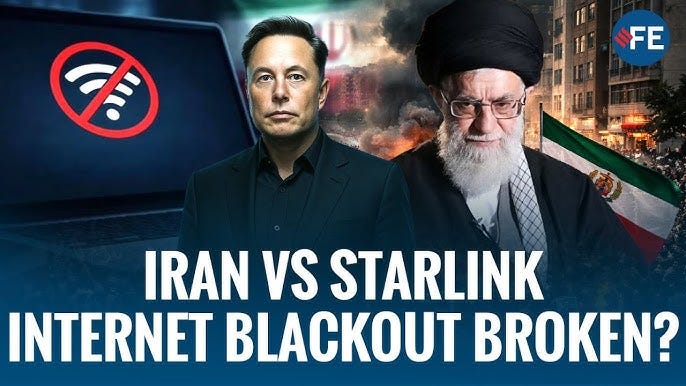
Starlink is a satellite-based internet service developed by SpaceX with the aim of providing high-speed, low-latency internet access to regions where traditional infrastructure is limited, unreliable, or heavily controlled. By deploying thousands of low-Earth orbit satellites, Starlink bypasses ground-based cables and towers, allowing users to connect directly via small satellite terminals. Globally, the service has been promoted as a solution for remote communities, disaster zones, and countries with underdeveloped networks. In the context of Iran, however, Starlink has taken on a far more complex role, becoming intertwined with questions of information freedom, government regulation, and geopolitical tension.
Internet Restrictions and the Iranian Digital Landscape
Iran has long maintained strict control over its domestic internet. Authorities regulate online platforms, block popular social media services, and impose shutdowns or slowdowns during periods of political unrest. These measures are justified by the state as necessary for national security and cultural protection, but critics argue they limit freedom of expression and access to independent information. As a result, many Iranians rely on virtual private networks and other tools to reach blocked content, though these methods are often unstable and subject to crackdowns. Within this environment, any technology that offers uncensored or resilient connectivity quickly attracts both public interest and official scrutiny. Starlink Iran
Why Starlink Matters in the Iranian Context
Starlink’s relevance to Iran stems from its ability to operate independently of national telecommunications infrastructure. Because the service connects users directly to satellites, it theoretically allows internet access even when terrestrial networks are restricted or disabled. This possibility has led to widespread discussion of Starlink as a potential lifeline for communication during outages, protests, or emergencies. For activists, journalists, and ordinary citizens seeking reliable access to global information, Starlink symbolizes a form of digital autonomy that is otherwise difficult to achieve within the country’s tightly managed online space.
Legal, Technical, and Practical Challenges
Despite its promise, Starlink faces significant obstacles in Iran. The service is not officially authorized by Iranian regulators, making the importation, possession, or use of Starlink terminals legally risky. Satellite equipment is tightly controlled, and users could face penalties if caught operating unauthorized devices. Technically, using Starlink also requires clear visibility to the sky, access to power, and specialized hardware, all of which limit widespread or discreet adoption. Additionally, governments can attempt to detect or interfere with satellite signals, meaning that Starlink is not entirely immune to countermeasures, even if it operates beyond traditional infrastructure.
Geopolitics and International Implications
The discussion around Starlink in Iran cannot be separated from broader geopolitical dynamics. Sanctions, diplomatic tensions, and debates over digital rights all shape how the technology is perceived and deployed. For some international observers, enabling satellite internet access in restrictive environments is seen as supporting free expression and human rights. For the Iranian government, however, such efforts may be viewed as external interference in domestic affairs. This tension highlights a growing global debate over who controls access to the internet and whether connectivity should be treated as a neutral service or a strategic asset.
The Future of Starlink and Digital Access in Iran
Looking ahead, Starlink’s role in Iran remains uncertain. While the technology demonstrates that alternative connectivity models are possible, practical limitations and political realities constrain its impact. Even so, the conversation surrounding Starlink has already influenced public awareness about internet freedom and the possibilities of satellite-based communication. As satellite constellations expand and technologies evolve, pressure may increase on governments worldwide to reconsider how they manage access to information. In Iran, Starlink has become more than just an internet service; it represents an ongoing struggle between control and connectivity, highlighting the profound importance of digital access in the modern world.