
The Complex History and Evolving Future of Iran-Saudi Relations in the Middle East

Understanding the Importance of Iran-Saudi Relations in Regional Politics
Iran-Saudi relations represent one of the most influential and complex relationships in the Middle East. These two powerful nations have shaped regional politics, economic developments, religious influence, and geopolitical tensions for decades. Their relationship has experienced periods of cooperation, rivalry, diplomatic breakdown, and cautious reconciliation.
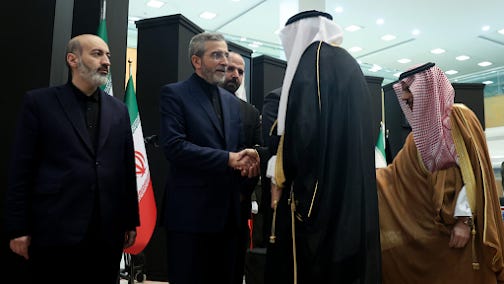
Because both countries hold enormous strategic importance, changes in their relationship often influence the broader Middle East and even global politics. From energy markets to regional security, the interaction between Iran and Saudi Arabia affects millions of people across multiple continents.
The relationship is shaped by history, religion, economics, military interests, and competition for regional influence. Understanding these factors helps explain why Iran-Saudi relations remain central to international diplomacy and Middle Eastern stability.
Historical Foundations Behind Iran and Saudi Arabia’s Rivalry
The roots of Iran-Saudi rivalry stretch back many decades. Historically, both countries emerged as major regional powers with different political systems, cultural identities, and strategic visions.
Iran developed into an Islamic republic following the Iranian Revolution in 1979, while Saudi Arabia remained a conservative monarchy deeply connected to its religious and royal traditions. These differing political structures influenced how each country viewed regional leadership and international alliances.
Before the revolution, relations between Tehran and Riyadh were relatively stable because both governments maintained close ties with Western powers. However, the revolution transformed regional dynamics and created new ideological tensions between the two nations.
Religious Differences and Their Political Impact
Religion plays an important role in Iran-Saudi relations. Iran is predominantly Shia Muslim, while Saudi Arabia is largely Sunni Muslim. These religious differences have often influenced political competition and regional alliances.
Iran presents itself as a major voice for Shia communities in the region, while Saudi Arabia has historically positioned itself as a leading center of Sunni Islamic influence. Over time, this sectarian divide contributed to tensions in countries experiencing political instability or conflict.
However, experts often note that political interests and geopolitical ambitions are usually more significant than purely religious disagreements. Religion frequently becomes intertwined with broader struggles for regional influence and strategic power.
The Iranian Revolution and the Transformation of Regional Politics
The Iranian Revolution marked a major turning point in Middle Eastern politics. The new revolutionary government in Iran challenged existing regional structures and promoted an anti-Western political vision.
Saudi Arabia viewed the revolutionary movement with concern because it feared political instability and ideological influence spreading across the region. The revolution intensified competition between Tehran and Riyadh as both nations sought to expand their influence.
This period laid the foundation for decades of mistrust, strategic rivalry, and political confrontation between the two countries.
Competition for Leadership in the Middle East
Iran and Saudi Arabia have long competed for regional influence. Both countries possess significant energy resources, strategic geographic positions, and political influence within the Islamic world.
Saudi Arabia’s role as the home of Islam’s holiest cities gives it enormous religious significance, while Iran’s revolutionary ideology and regional alliances provide it with substantial political influence.
This competition has influenced diplomacy, military strategy, and alliances across the Middle East. Each country has attempted to strengthen its position through economic investments, regional partnerships, and political influence.
The Impact of Oil and Energy Politics on Bilateral Relations
Energy resources are central to the relationship between Iran and Saudi Arabia. Both countries are major oil producers with significant influence over global energy markets.
Changes in oil production policies, pricing strategies, and export competition have often affected their interactions. International sanctions on Iran and fluctuations in global oil demand also shaped the economic dimension of their relationship.
Because both countries depend heavily on energy revenues, oil politics frequently intersects with diplomatic and geopolitical considerations.
Regional Conflicts and Proxy Rivalries
One of the defining features of Iran-Saudi relations has been their involvement in regional conflicts. Over the years, both countries supported opposing sides in several Middle Eastern disputes.
These indirect confrontations often occurred through alliances with regional groups and governments. Conflicts in Yemen, Syria, Lebanon, and Iraq became areas where Iranian and Saudi interests frequently collided.
Such proxy rivalries intensified tensions and contributed to instability across the region. These conflicts also increased concerns among international powers about broader regional escalation.
Diplomatic Breakdown and Rising Tensions
Relations between Iran and Saudi Arabia deteriorated significantly during periods of heightened political and military tension. Diplomatic crises, regional disputes, and security incidents contributed to worsening relations.
One major turning point occurred when diplomatic ties were severed after attacks on Saudi diplomatic facilities in Iran. This breakdown intensified regional polarization and increased fears of direct confrontation between the two powers.
During this period, communication between Tehran and Riyadh became extremely limited, and mistrust deepened across political and security sectors.
The Yemen Conflict and Regional Security Concerns
The conflict in Yemen became one of the most significant points of tension between Iran and Saudi Arabia. Saudi Arabia viewed developments in Yemen as a major security concern near its southern border.
Iran’s alleged support for groups opposing Saudi-backed forces increased regional tensions and international scrutiny. The war created humanitarian challenges while also becoming symbolic of broader regional competition.
The Yemen conflict demonstrated how local disputes could evolve into larger geopolitical struggles involving multiple regional actors.
Changing Regional Dynamics and Diplomatic Reassessment
Over time, both Iran and Saudi Arabia began reassessing the costs of prolonged confrontation. Economic pressures, security concerns, and regional instability encouraged diplomatic reconsideration.
The changing geopolitical environment, including shifting global alliances and economic priorities, pushed both countries toward dialogue. Regional fatigue from prolonged conflicts also created incentives for reducing tensions.
This gradual reassessment opened opportunities for diplomatic engagement after years of hostility.
The Restoration of Diplomatic Relations
A major breakthrough occurred when Iran and Saudi Arabia agreed to restore diplomatic relations after years of separation. The agreement represented a significant shift in Middle Eastern diplomacy and attracted international attention.
The restoration process included reopening embassies, increasing diplomatic communication, and encouraging dialogue on regional issues. The agreement was viewed as an important step toward reducing tensions in the Middle East.
Although challenges remained, the diplomatic rapprochement signaled a willingness by both sides to pursue greater stability and cooperation.
The Role of China in Mediating Relations
China played an important role in facilitating diplomatic reconciliation between Iran and Saudi Arabia. Its involvement reflected the growing importance of global powers in Middle Eastern diplomacy.
The mediation effort demonstrated how international actors increasingly seek influence in regional conflict resolution and economic partnerships. China’s role also highlighted broader changes in global geopolitical competition.
The success of diplomatic mediation showed that even long-standing rivals can find areas of mutual interest through negotiation and strategic dialogue.
Economic Opportunities Emerging From Improved Relations
Improved Iran-Saudi relations have created discussions about economic cooperation, investment opportunities, and trade development. Both countries recognize the potential benefits of greater regional stability for economic growth.
Saudi Arabia’s economic diversification goals and Iran’s interest in reducing economic isolation provide incentives for expanding cooperation. Trade, tourism, infrastructure, and energy coordination may become areas of future collaboration.
Economic interests often encourage diplomatic moderation because stability supports long-term development and investment.
Security Cooperation and Regional Stability
Regional security remains one of the most important areas of discussion between Tehran and Riyadh. Both countries understand that prolonged instability threatens economic development and national security.
Dialogue on maritime security, regional conflicts, and diplomatic coordination has become increasingly important. Maintaining stable shipping routes and preventing regional escalation are shared concerns for both governments.
Although mistrust still exists, communication channels can help reduce misunderstandings and prevent sudden crises.
The Influence of International Powers on Bilateral Relations
Iran-Saudi relations are also influenced by the policies of global powers such as the United States, China, and Russia. International alliances, sanctions, military partnerships, and diplomatic negotiations all affect regional calculations.
Saudi Arabia has historically maintained close relations with Western countries, while Iran has often faced international sanctions and political isolation. These differing international relationships have shaped regional dynamics and diplomatic strategies.
Global geopolitical competition continues influencing how both countries approach diplomacy and regional security.
Public Opinion and Social Perceptions
Public opinion within both countries also affects bilateral relations. Media coverage, political narratives, and historical memory shape how populations view each other.
Years of rivalry created negative Iran-Saudi relations perceptions and mutual suspicion among segments of society. However, diplomatic engagement and increased communication can gradually influence public attitudes over time.
People across the region often hope that improved relations between major regional powers will contribute to peace, economic growth, and reduced conflict.
The Future Challenges Facing Iran-Saudi Relations
Despite diplomatic progress, significant challenges remain. Regional conflicts, ideological differences, security concerns, and geopolitical competition continue affecting the relationship.
Trust-building requires time, consistent diplomacy, and careful management of disagreements. Unexpected regional crises could still threaten the fragile process of reconciliation.
However, both countries appear increasingly aware that direct confrontation carries serious economic and security risks.
The Strategic Importance of Dialogue and Diplomacy
Diplomacy between Iran and Saudi Arabia has become strategically important not only for the Middle East but also for the global economy. Regional stability affects energy markets, trade routes, investment confidence, and international security.
Constructive dialogue can help reduce tensions and create opportunities for cooperation on shared challenges. Even limited communication may help prevent misunderstandings and reduce the risk of escalation.
The future of Iran-Saudi relations will likely depend on balancing competition with practical cooperation.
Why Iran-Saudi Relations Continue Shaping the Middle East
Iran-Saudi relations remain one of the defining dynamics of modern Middle Eastern politics. Their rivalry and reconciliation efforts influence conflicts, diplomacy, economic development, and regional alliances.
As two of the most influential countries in the Islamic world, their decisions carry enormous regional and global consequences. Their relationship demonstrates how history, religion, politics, and economics can become deeply interconnected in international affairs.
The evolving relationship between Tehran and Riyadh will continue shaping the future of the Middle East for many years to come