
The Interplay Between Russian Oil Production, Pricing, and International Diplomacy

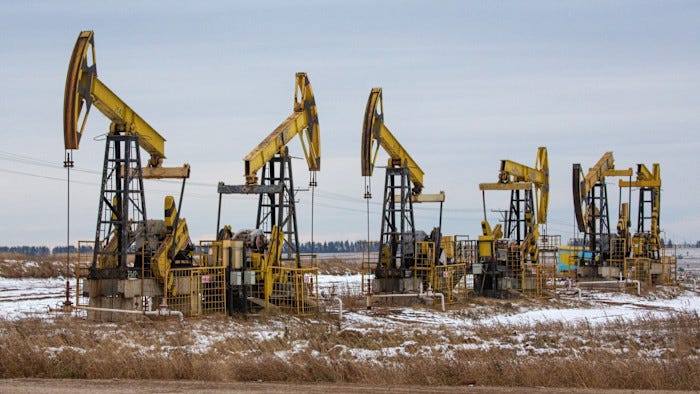
Russian oil has long been a cornerstone of the country’s economy and a major force in global energy markets. With vast reserves spread across Siberia, the Arctic, and the Far East, Russia consistently ranks among the world’s top oil producers. The industry’s roots go back to the Soviet era, when centralized planning focused heavily on energy extraction to fuel industrial growth and geopolitical influence. After the collapse of the Soviet Union, Russia’s oil sector went through privatization, consolidation, and reform, eventually giving rise to powerful state-backed and private energy companies. Today, oil revenues contribute significantly to government budgets, export earnings, and national economic stability, making the sector strategically vital.
Production Capacity and Key Regions
Russia’s oil production is geographically diverse, which helps the country maintain output even when individual fields decline. Western Siberia remains the heart of production, hosting some of the largest and longest-operating oil fields. Newer regions, such as Eastern Siberia and offshore Arctic zones, have gained importance as older fields mature. These newer projects are often technologically complex and expensive, requiring advanced drilling techniques and substantial investment. Despite these challenges, Russia has managed to sustain high production levels, supported by state involvement, tax incentives, and long-term infrastructure planning, including pipelines that connect oil fields to European and Asian markets.
Russian Oil in Global Markets
On the global stage, Russian oil plays a crucial role in balancing supply and demand. For decades, Europe was the primary destination for Russian crude and refined products, thanks to established pipeline networks and geographic proximity. In recent years, Asia, particularly China and India, has become increasingly important as a destination for Russian oil exports. Pricing strategies, export routes, and long-term contracts allow Russia to remain competitive, even during periods of market volatility. As a major non-OPEC producer, Russia also collaborates with OPEC members through agreements aimed at stabilizing global oil prices, reinforcing its influence in international energy diplomacy.
Sanctions, Politics, and Economic Pressure
Geopolitics has had a profound impact on the Russian oil sector. International sanctions imposed in response to political conflicts have restricted access to Western financing, technology, and expertise, particularly for deep-water, Arctic, and shale projects. These limitations have forced Russia to adapt by developing domestic technologies and strengthening partnerships with non-Western countries. While sanctions have increased costs and slowed certain projects, they have not eliminated Russia’s ability to export oil. Instead, trade patterns have shifted, and discounts have been used to maintain market share, demonstrating the sector’s resilience under pressure.
Environmental and Future Challenges
Like many major oil producers, Russia faces growing environmental and sustainability challenges. Oil extraction in sensitive regions raises concerns about spills, emissions, and long-term ecological damage. At the same time, global energy transitions toward renewable sources pose questions about the future demand for fossil fuels. Russia has acknowledged these trends but continues to prioritize oil as a key economic pillar. Investments in efficiency, modernization of refineries, and limited diversification into alternative energy sources suggest a gradual, rather than rapid, transition. The pace of this shift will depend on global demand, technological innovation, and policy decisions both inside and outside Russia.
The Long-Term Significance of Russian Oil Russian oilRussian oil remains more than just a commodity; it is a strategic tool that shapes economic policy, foreign relations, and global energy stability. Despite sanctions, market shifts, and environmental pressures, the sector continues to adapt and assert its relevance. As the world navigates an uncertain energy future, Russian oil will likely remain a significant factor, influencing prices, trade flows, and geopolitical dynamics for years to come.