
The Plaid Trend: A Timeless Pattern Reinvented for Modern Style

The plaid trend is one of the most enduring and versatile patterns in the world of fashion, continuously reinventing itself to stay relevant across seasons and generations. Originating centuries ago as a traditional Scottish textile known as tartan, plaid has evolved far beyond its heritage roots to become a global symbol of both classic sophistication and contemporary edge. Today, this pattern is embraced by designers and fashion enthusiasts alike, making appearances in everything from casual streetwear to high-end runway collections. The appeal of plaid lies in its timelessness, adaptability, and ability to convey a variety of styles, whether preppy, punk, or avant-garde.
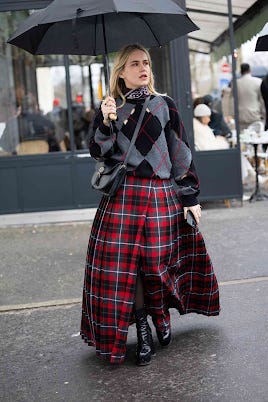
One of the key reasons plaid remains so popular is its versatility in fashion. It effortlessly transitions between seasons and occasions, making it a staple for both casual and formal wardrobes. During the colder months, plaid flannel shirts and woolen scarves are not only practical for warmth but also add a cozy, rustic charm to any outfit. Conversely, in spring and summer, lighter plaid fabrics such as cotton or linen are used in skirts, dresses, and shirts, providing a fresh and airy feel. Designers have also embraced plaid in more unexpected ways, incorporating it into tailored suits, blazers, and even accessories like bags and shoes. The variety of color combinations and scale of the pattern—from subtle checks to bold, oversized plaids—allows wearers to express their personality and mood with ease.
The resurgence of plaid in recent fashion cycles has been influenced by its strong association with subcultures and street style, giving the pattern a youthful and rebellious edge. In the 1990s, plaid became synonymous with grunge fashion, popularized by bands like Nirvana, where oversized flannel shirts paired with ripped jeans and combat boots defined a carefree and anti-establishment attitude. This legacy continues to inspire contemporary designers who reinterpret plaid with modern cuts, layering techniques, and unexpected fabric pairings. Streetwear brands often mix plaid with graphic prints, leather, or denim, creating dynamic looks that resonate with urban youth and trendsetters. The pattern’s adaptability allows it to bridge the gap between nostalgic throwbacks and forward-thinking fashion innovation.
Another important factor driving the plaid trend is its cultural symbolism and rich history. Originally, specific tartan patterns plaid trend represented different Scottish clans, making the fabric a marker of identity and heritage. Today, plaid has transcended these origins and become a global design motif that carries connotations of authenticity, craftsmanship, and tradition. Many fashion houses capitalize on this narrative by producing collections that emphasize artisanal weaving techniques and heritage-inspired designs. This adds a layer of depth and storytelling to plaid pieces, appealing to consumers who value meaningful fashion with a connection to history. The pattern’s cultural significance also lends it a sense of timelessness, ensuring it remains relevant in an industry often driven by fleeting trends.
Sustainability has also played a role in the renewed interest in plaid, especially as consumers seek classic patterns that encourage longer-lasting wardrobes. Plaid garments, particularly those made from natural fibers like wool or cotton, are often designed for durability and timeless appeal, aligning well with the principles of slow fashion. Many brands now highlight the quality and longevity of their plaid pieces, encouraging buyers to invest in versatile staples rather than disposable fast fashion items. This sustainable approach not only benefits the environment but also enhances the perceived value of plaid clothing, solidifying its place as a smart, stylish choice for conscious shoppers.
Styling plaid effectively requires an understanding of balance and context. Because the pattern can be visually busy, it’s important to mix and match plaid items thoughtfully. Pairing a plaid shirt with solid-colored trousers or denim is a classic, fail-safe combination that lets the pattern take center stage without overwhelming the outfit. For a bolder look, mixing different plaid patterns or layering plaid with other prints can create a fashion-forward statement, but it requires a keen eye for color coordination and scale. Accessories like scarves, hats, or shoes in plaid can add just the right touch of pattern to elevate a more neutral outfit. Ultimately, plaid’s enduring popularity stems from its ability to be styled in countless ways, adapting to individual tastes and evolving fashion climates.
In conclusion, the plaid trend remains a powerful and adaptable force in fashion, celebrated for its rich history, cultural significance, and remarkable versatility. Whether embraced in its traditional tartan form or reimagined through contemporary design, plaid continues to captivate and inspire. Its timeless appeal, combined with modern innovations and sustainable practices, ensures that plaid will remain a wardrobe essential for years to come, offering endless possibilities for style expression across all seasons and occasions.