
The Plaid Trend: Timeless Pattern Meets Modern Fashion

The plaid trend has stood the test of time, repeatedly resurfacing as a beloved pattern that blends heritage with contemporary style. Rooted deeply in Scottish tartan traditions, plaid has transcended its origins to become a versatile motif embraced worldwide in various forms of fashion. In recent years, the pattern has experienced a significant resurgence, appearing prominently on runways, street style, and retail collections alike. What makes plaid so enduring is its ability to adapt—whether in bold colors or muted tones, classic or modern cuts, casual wear or formal attire, it continues to captivate designers and consumers. This article delves into the multifaceted appeal of the plaid trend, exploring its historical significance, current iterations, and tips for incorporating it stylishly into any wardrobe.
Historically, plaid or tartan patterns served as markers of identity, particularly in Scottish culture, where distinct patterns represented different clans and families. Over time, the pattern found its way into mainstream fashion, gaining popularity in the early 20th century and becoming symbolic of various cultural movements. The rebellious spirit of punk in the 1970s, for instance, embraced plaid as a statement against conformity, often pairing it with leather jackets and combat boots. Later, plaid became synonymous with grunge in the 1990s, further cementing its place in fashion history as a symbol of counterculture. This rich heritage adds layers of meaning to the pattern, making it more than just a decorative design but a cultural icon that resonates across generations.
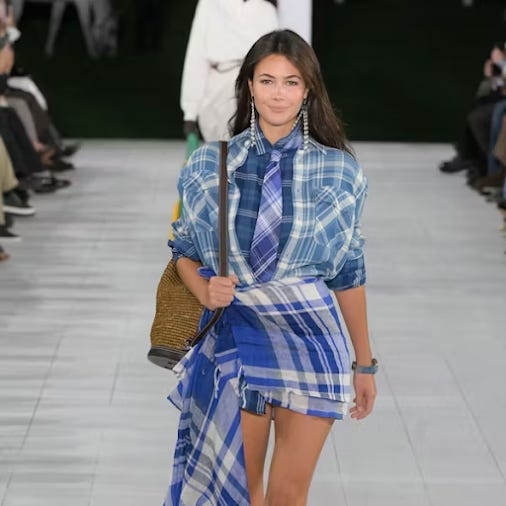
In contemporary fashion, the plaid trend has evolved to offer a remarkable range of interpretations that suit diverse tastes and occasions. Designers incorporate plaid into everything from tailored suits and coats to skirts, dresses, and accessories, demonstrating the pattern’s incredible versatility. The color palette has expanded far beyond traditional red, green, and black tartans to include pastels, neons, and monochromatic schemes, allowing for fresh and unexpected takes on the classic motif. Modern plaid pieces often blend traditional aesthetics with innovative fabrics and cuts, such as oversized blazers with sharp tailoring, asymmetrical skirts, and layered looks that mix multiple plaid plaid trend patterns. This evolution keeps the trend exciting and relevant, appealing to those who appreciate both heritage and innovation in their fashion choices.
The popularity of plaid in street style and everyday wear reflects its adaptability and ease of styling. Plaid shirts, for example, have become wardrobe staples that work effortlessly in casual ensembles, paired with denim or layered over graphic tees for a relaxed look. Meanwhile, plaid trousers or skirts add a sophisticated touch to office wear when combined with simple blouses or knitwear. Accessories like plaid scarves, hats, and bags provide subtle ways to introduce the pattern without overwhelming an outfit. The layering potential of plaid also makes it a favorite during transitional seasons, offering both warmth and visual interest. Fashion influencers and celebrities regularly incorporate plaid into their looks, helping to perpetuate its widespread appeal and inspire new ways to wear the pattern.
Sustainability has become an important consideration within the plaid trend, mirroring broader shifts in the fashion industry. Many consumers now seek high-quality plaid pieces made from sustainable materials such as organic cotton, recycled wool, or eco-friendly blends. The timeless nature of plaid encourages investment in durable garments that transcend fleeting trends, supporting more sustainable shopping habits. Vintage and secondhand plaid items also enjoy popularity, as the pattern’s classic appeal ensures these pieces remain stylish over time. This intersection of tradition and sustainability further enriches the appeal of plaid, positioning it as a pattern that honors both cultural heritage and contemporary values.
In conclusion, the plaid trend remains a dynamic and enduring element in fashion, bridging past and present with its rich history and versatile style. Its ability to reinvent itself season after season, from rebellious punk statements to polished modern tailoring, speaks to its unique position in the fashion world. Whether worn as a bold statement piece or a subtle accent, plaid offers endless possibilities for creativity and expression. As consumers continue to value authenticity, sustainability, and individuality, the plaid trend is set to remain a cornerstone of fashion, proving that some patterns truly are timeless.