

Tokyo’s vintage shopping scene is a fascinating reflection of the city’s eclectic personality, blending deep-rooted respect for tradition with a forward-thinking embrace of innovation and individual expression. Known globally as a trendsetter in fashion, Tokyo offers a distinctive vintage shopping experience that attracts collectors, fashion enthusiasts, and curious travelers from around the world. Unlike many other cities where vintage stores focus primarily on Western fashion, Tokyo’s vintage shops provide an extraordinary mix of global influences, rare Japanese streetwear, and carefully preserved garments spanning multiple eras. This rich tapestry makes vintage shopping in Tokyo not only a quest for unique clothing but also an exploration of cultural narratives and craftsmanship that continue to influence modern style.
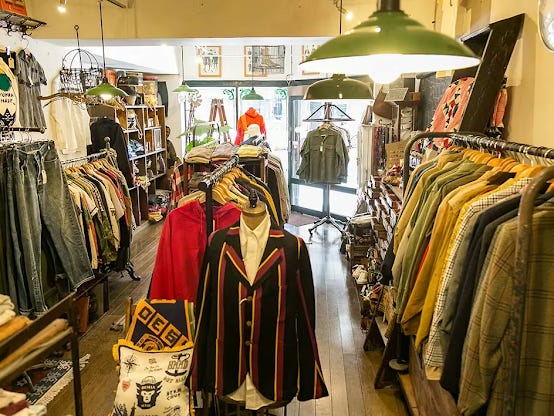
One of the defining features of Tokyo vintage shopping is the extraordinary diversity of its offerings, which range from meticulously curated high-end boutiques to bustling thrift stores and niche specialty shops. Neighborhoods such as Harajuku, Shimokitazawa, and Koenji are renowned hubs for vintage shopping, each offering its own flavor and atmosphere. Harajuku, famous for its vibrant youth culture and experimental fashion, houses several upscale vintage stores where rare designer pieces and avant-garde finds are showcased with impeccable presentation. Shimokitazawa and Koenji, on the other hand, attract a younger crowd with their laid-back vibes and a wide range of affordable vintage clothes, often including vintage denim, retro sportswear, and classic kimono garments. This range of options ensures that shoppers with different budgets and style preferences can find something that resonates deeply with their personal aesthetic.
Tokyo’s vintage scene is deeply intertwined with Japan’s unique approach to craftsmanship, quality, and preservation. Unlike fast fashion, which emphasizes rapid production and turnover, many vintage pieces in Tokyo are prized for their durability, intricate detailing, and timeless design. The Japanese cultural appreciation for "wabi-sabi" — the beauty of imperfection and impermanence — can be seen in the careful restoration and reverence given to older garments. Vintage stores often meticulously clean, repair, and present items to highlight their history and character, making each purchase feel like acquiring a wearable piece of art. Additionally, the influence of traditional Japanese textiles and techniques often appears in the vintage clothing selection, offering Western and Eastern fashion enthusiasts alike the chance to explore authentic, culturally rich garments that carry deep historical significance.
Sustainability and conscious consumerism have become increasingly important factors driving Tokyo’s vintage shopping popularity. As awareness of the environmental impact of the fashion industry grows, many Tokyoites are turning to vintage and secondhand stores as eco-friendly alternatives to new clothing. These shops promote the reuse and recycling Tokyo vintage shopping of garments, helping reduce textile waste and encouraging a more thoughtful approach to fashion consumption. Beyond environmental concerns, vintage shopping in Tokyo also offers a counter-narrative to homogenized, mass-produced fashion trends by celebrating individuality and unique style. Shoppers are encouraged to mix vintage finds with contemporary pieces, fostering a creative and personalized wardrobe that stands apart from fast fashion’s fleeting cycles.
The cultural significance of Tokyo vintage shopping extends beyond just clothing to include accessories and lifestyle elements. Many vintage stores carry a selection of unique items such as retro sunglasses, handcrafted jewelry, vintage bags, and even old vinyl records, expanding the shopping experience into a broader celebration of past eras and artistic expression. Pop-up markets and vintage fairs frequently occur throughout the city, attracting a vibrant community of collectors, designers, and fashion lovers who exchange stories and inspirations alongside goods. These events often highlight the close relationship between fashion, art, and music in Tokyo, further enriching the city’s reputation as a global cultural capital.
In conclusion, Tokyo vintage shopping is a rich, multifaceted experience that reflects the city’s deep respect for history, its commitment to sustainability, and its relentless drive for innovation and personal expression. The diversity of neighborhoods, the exceptional quality and curation of vintage stores, and the fusion of traditional and contemporary influences create a shopping environment that is both inspiring and rewarding. For anyone interested in fashion that tells a story and embraces individuality, Tokyo’s vintage shops offer an unparalleled journey into style, culture, and creativity, firmly establishing the city as a must-visit destination for vintage enthusiasts worldwide.