
Trump and Macron: A Complex Relationship Between the U.S. and France

Early Interactions and Diplomatic Tone
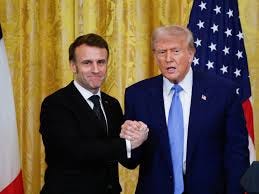
The relationship between former U.S. President Donald Trump and French President Emmanuel Macron was marked by both collaboration and tension, reflecting broader dynamics between the United States and Europe during Trump’s administration. From the outset, Trump approached foreign diplomacy with a transactional mindset, often emphasizing deals and immediate national interest over traditional alliances. Macron, on the other hand, positioned himself as a defender of multilateralism, European unity, and climate initiatives, which sometimes put him at odds with Trump’s policies. Their first encounters, including the 2017 Bastille Day celebrations in Paris, were cordial and highly publicized, with Trump receiving praise for attending a key French national event, signaling a willingness to engage personally, even if policy disagreements lingered beneath the surface.
Trade and Economic Tensions
A central aspect of the Trump-Macron dynamic involved trade disputes and economic policy. Trump frequently criticized France for its trade practices and proposed tariffs, particularly on French goods such as wine and luxury items, framing them as unfair to American interests. Macron responded diplomatically, emphasizing cooperation and the importance of preserving the transatlantic economic relationship. The tension over trade reflected broader patterns in Trump’s approach to international economics, where he prioritized bilateral deals and direct leverage, often challenging traditional frameworks like the European Union’s shared trade policies. Despite these disputes, both leaders continued to engage in negotiations to mitigate the impact on industries and maintain a functional economic dialogue.
Defense and NATO Cooperation
Defense and security issues were another prominent element of the Trump-Macron relationship. Trump frequently questioned NATO’s value, criticizing European countries, including France, for not meeting defense spending commitments. Macron, in contrast, argued for the importance of the alliance while also stressing the need for Europe to strengthen its own defense capabilities. The two leaders found occasional common ground on counterterrorism efforts and military cooperation, but Trump’s blunt rhetoric and Macron’s calls for strategic autonomy created friction. The interaction between the two highlighted the challenges of balancing U.S. security priorities with European ambitions, revealing a mixture of cooperation and underlying skepticism.
Climate and Environmental Policy Conflicts
One of the most publicized conflicts between Trump and Macron centered on climate policy. Trump’s decision to withdraw the United States from the Paris Climate Agreement in 2017 sharply contrasted with Macron’s global leadership on environmental issues. Macron actively courted U.S. companies and individuals to participate in climate initiatives independently of federal policy, creating a nuanced dynamic in which both leaders engaged with business and environmental concerns but through different channels. This divergence symbolized broader ideological contrasts: Trump’s emphasis on immediate economic growth and sovereignty versus Macron’s commitment to multilateral environmental responsibility and long-term planning.
Public Perception and Media Narratives
Media coverage of Trump and Macron often focused on their personal chemistry and public appearances, including state visits, summits, and social events. While Trump’s unconventional style and frequent Twitter commentary generated headlines, Macron maintained a more controlled and diplomatic Trump Macron approach, sometimes positioning himself as a voice of reason on the global stage. The contrast between Trump’s populist, direct communication style and Macron’s measured rhetoric captured public attention and fueled debate about the effectiveness of different leadership styles in international relations. Despite occasional clashes, both leaders understood the importance of maintaining dialogue to manage global crises and shared strategic interests.
Legacy and Long-Term Implications
The Trump-Macron relationship left a lasting imprint on U.S.-France relations and, more broadly, on transatlantic diplomacy. While disagreements over trade, defense, and climate were prominent, the leaders demonstrated that even contentious relationships could sustain cooperation when mutual strategic interests were at stake. The interactions between Trump and Macron underscored the evolving nature of international politics, where personal rapport, national priorities, and global challenges intersect. Their tenure highlighted the complexity of maintaining alliances in an era of rising nationalism and shifting global power dynamics, offering lessons for future leaders navigating the delicate balance between competition and collaboration on the world stage.
Conclusion
Overall, the Trump-Macron dynamic was a mixture of pragmatic diplomacy, public spectacle, and ideological tension. It revealed both the strengths and vulnerabilities of long-standing alliances when confronted with unconventional leadership styles and divergent policy priorities. While marked by disputes and disagreements, the relationship ultimately reinforced the importance of dialogue and negotiation in international affairs, demonstrating that even contentious partnerships can produce meaningful outcomes when strategic interests align.