
Understanding What Critical Minerals Are

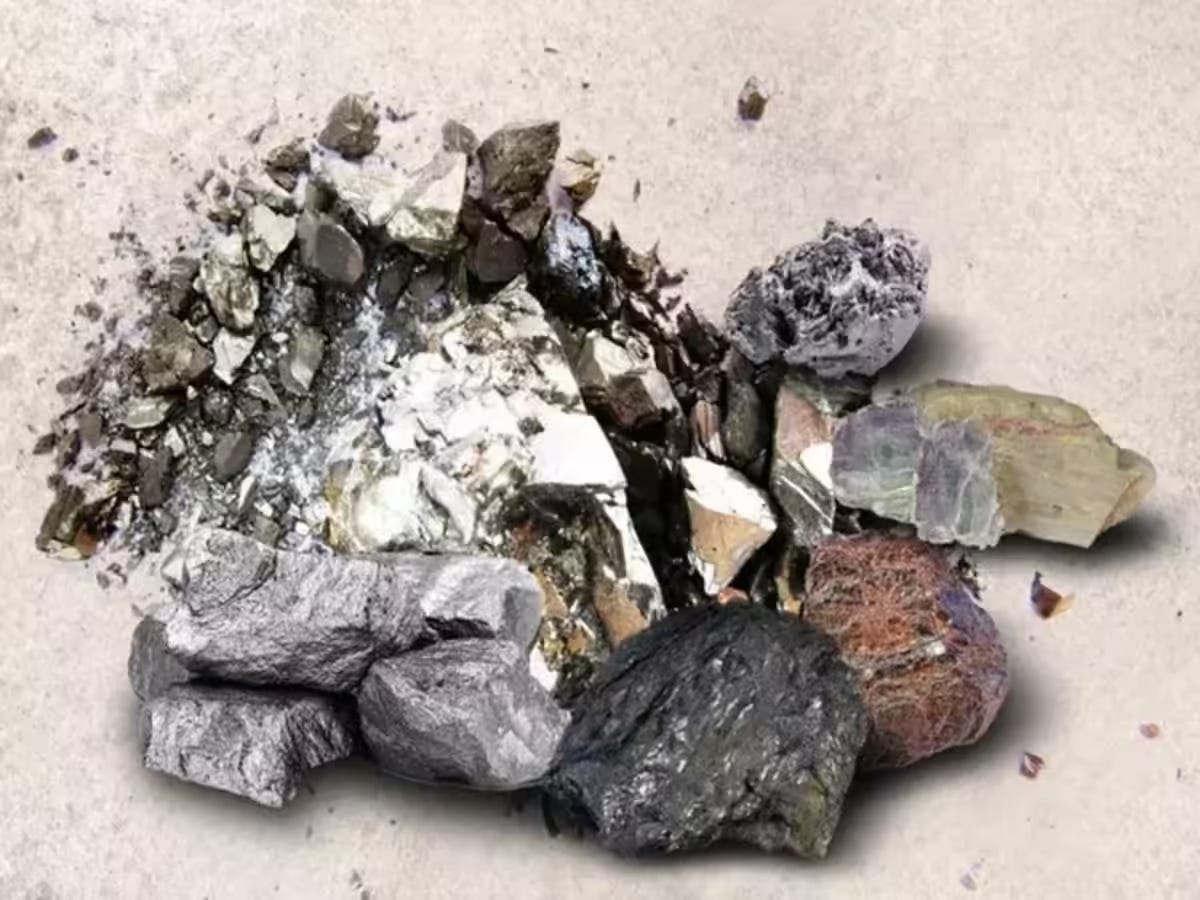
Critical minerals are natural resources that are essential for modern economies but face high risks of supply disruption. These minerals include lithium, cobalt, nickel, rare earth elements, graphite, and manganese, among others, and they are vital for producing technologies that define contemporary life. From smartphones and electric vehicles to wind turbines, solar panels, and advanced defense systems, critical minerals form the physical foundation of innovation. What makes them “critical” is not only their usefulness but also the concentration of their production in a small number of countries, which creates vulnerabilities in global supply chains. As nations transition toward cleaner energy systems and more advanced digital infrastructure, the importance of these minerals continues to grow at an unprecedented pace.
The Role of Critical Minerals in Clean Energy and Technology critical minerals
The global shift toward renewable energy and electrification has dramatically increased demand for critical minerals. Electric vehicle batteries rely heavily on lithium, cobalt, and nickel, while wind turbines and electric motors depend on rare earth elements such as neodymium and dysprosium. Solar panels require minerals like tellurium and indium, and energy storage systems need a stable supply of graphite and manganese. Without these materials, the global goals of reducing carbon emissions and combating climate change would be impossible to achieve. As governments commit to net-zero targets and industries invest in green technologies, critical minerals have become just as important as oil and gas were in the industrial age, reshaping economic priorities and long-term planning.
Geopolitical Importance and Supply Chain Risks
Critical minerals are increasingly viewed as strategic assets, influencing global politics and international relations. Many of these minerals are mined or processed predominantly in a handful of countries, creating dependencies that can be exploited during political tensions or trade disputes. For example, rare earth element processing is heavily concentrated, which gives certain nations significant leverage over global markets. Disruptions caused by pandemics, conflicts, or export restrictions have highlighted how fragile these supply chains can be. As a result, countries are racing to secure access through trade agreements, strategic partnerships, stockpiling, and domestic exploration. The competition for critical minerals is not just economic but also geopolitical, shaping alliances and redefining national security strategies.
Environmental and Social Challenges of Mineral Extraction
While critical minerals are essential for sustainable technologies, their extraction often poses serious environmental and social challenges. Mining operations can lead to deforestation, water pollution, habitat destruction, and significant carbon emissions if not managed responsibly. In some regions, mining has been linked to unsafe labor conditions and human rights concerns, particularly where governance is weak. These issues create a complex paradox: materials needed for a greener future can cause environmental harm if extracted unsustainably. Addressing this challenge requires stronger environmental regulations, transparent supply chains, improved recycling technologies, and greater investment in responsible mining practices that balance economic needs with social and ecological protection.
The Future of Critical Minerals and Global Strategy
Looking ahead, the demand for critical minerals is expected to rise sharply as technology advances and energy systems evolve. Governments and corporations are investing in research to develop alternative materials, improve recycling rates, and reduce reliance on scarce resources. Urban mining, which involves recovering minerals from electronic waste, is gaining attention as a sustainable solution. At the same time, exploration of new reserves and diversification of supply sources are becoming strategic priorities. The future of critical minerals will likely define economic competitiveness, technological leadership, and geopolitical influence in the coming decades. As the world becomes more interconnected and technology-driven, securing a stable, ethical, and sustainable supply of critical minerals will be one of the defining challenges of the 21st century.