
West Java Landslide: Causes, Impacts, and Lessons for Disaster Preparedness

West Java, one of Indonesia’s most densely populated provinces, is frequently exposed to natural disasters due to its mountainous terrain, volcanic soil, and high rainfall. Among these hazards, landslides are particularly destructive. The West Java landslide events that have occurred in recent years highlight how environmental conditions combined with human activities can trigger deadly disasters. These landslides often strike suddenly, burying homes, cutting off access roads, and causing loss of life, leaving deep social and economic impacts on local communities.
Geographical and Environmental Factors
The geography of West Java plays a major role in landslide occurrences. Much of the region consists of steep hills and mountainous areas formed by volcanic activity. The soil in these areas is generally fertile but loose, making it unstable when saturated with water. During the rainy season, which can bring intense and prolonged rainfall, water seeps into the soil, increasing its weight and reducing its ability to hold together. When the soil can no longer support itself, it collapses downhill, resulting in a landslide. Climate change has further intensified rainfall patterns, increasing both the frequency and severity of such events across the province.
Human Activities and Land Use Issues
While natural factors are significant, human activities have greatly increased landslide risks in West Java. Deforestation for agriculture, housing, and infrastructure development has reduced the number of trees that normally help stabilize soil with their roots. In many hillside villages, land is terraced without proper engineering, weakening slope structures. Rapid population growth has pushed communities to settle in high-risk areas where land is cheaper but far more dangerous. Poor drainage systems and unregulated construction further worsen the situation, making slopes more vulnerable to collapse during heavy rain.
Impact on Communities and Infrastructure
The consequences of a West Java landslide are often devastating. Entire neighborhoods can be buried within minutes, leaving residents trapped or displaced. Roads and bridges are frequently damaged, isolating villages and delaying rescue operations. Agricultural land, which many families depend on for income, is often destroyed, leading to long-term economic hardship. Beyond physical damage, survivors experience psychological trauma from losing loved ones and homes. Schools, health centers, and public facilities may also be damaged, disrupting essential services for weeks or even months after the disaster.
Emergency Response and Government Action
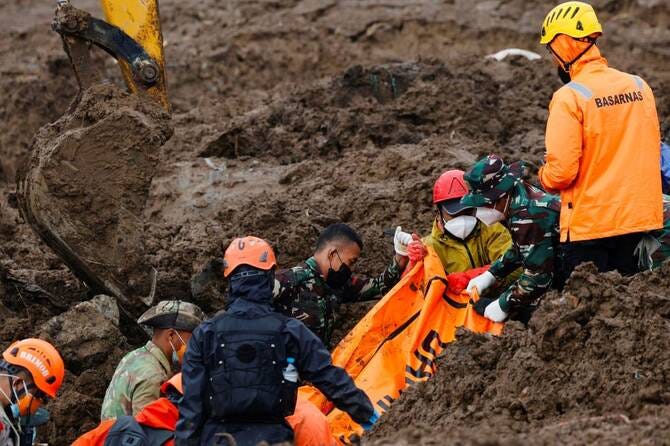
When landslides occur, emergency response teams including local authorities, the military, police, and volunteers are deployed to search for survivors and provide aid. The Indonesian government, through disaster management agencies, has worked to improve early warning systems and evacuation procedures in landslide-prone areas. However, challenges remain, such as limited access to remote مناطق, lack of equipment, and insufficient public awareness. In some cases, warnings are issued, but residents are reluctant to evacuate due to fear of losing property or livestock.
Prevention and Future Mitigation Efforts
Reducing the risk of future West Java landslid West Java landslidees requires a combination of environmental protection, community education, and stronger policies. Reforestation programs can help restore natural slope stability, while improved land-use planning can prevent settlements in high-risk zones. Educating communities about warning signs, such as cracks in the ground or leaning trees, can save lives. Investment in drainage systems, retaining walls, and slope monitoring technology is also crucial. Most importantly, collaboration between government, scientists, and local residents is needed to create long-term solutions.
Conclusion
The West Java landslide events serve as a powerful reminder of the delicate balance between humans and nature. While landslides cannot be completely prevented, their impact can be significantly reduced through responsible land management, awareness, and preparedness. Learning from past disasters and taking proactive measures will be key to protecting lives and building more resilient communities in