
Workwear Trends: The Evolution of Functional Style in Modern Fashion

Workwear trends have evolved significantly over recent years, transforming from purely utilitarian clothing designed for manual labor into a prominent influence on mainstream fashion and street style. Rooted in garments originally created for durability and practicality, modern workwear blends functionality with aesthetics, reflecting broader shifts in lifestyle, culture, and consumer priorities. As the boundaries between work, leisure, and social life continue to blur, workwear has adapted to meet the demands of versatility, comfort, and style. From rugged denim and chore jackets to technical fabrics and gender-neutral silhouettes, current workwear trends reveal how practical clothing has become a cornerstone of contemporary fashion, appealing to diverse audiences who value authenticity, durability, and timeless design.
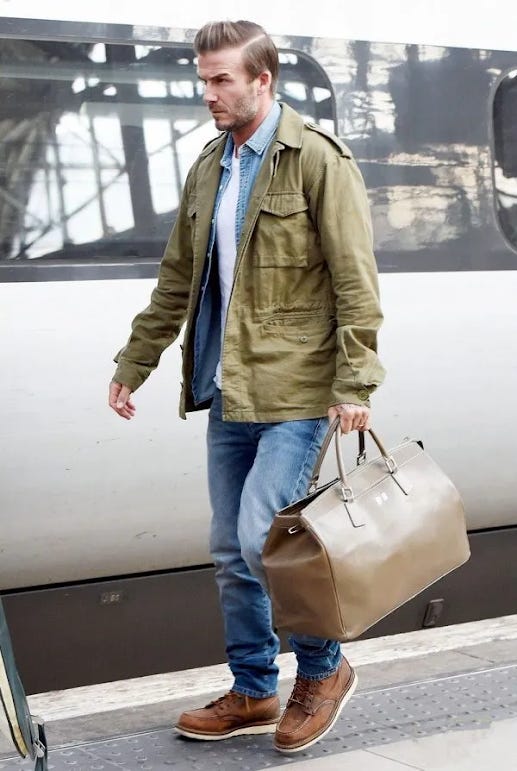
One of the most notable aspects of workwear trends today is the emphasis on high-quality materials and craftsmanship, which honor the clothing’s functional origins while elevating it to fashion status. Traditional workwear staples such as denim jeans, canvas jackets, and heavy-duty boots have been reimagined with modern tailoring, sustainable fabrics, and innovative construction techniques. For example, selvedge denim remains a favorite for its durability and classic appeal, while contemporary brands are increasingly integrating organic cotton, recycled fibers, and water-resistant treatments to meet growing environmental concerns. This combination of heritage and innovation appeals to consumers who seek clothing that not only lasts but also aligns with their values, reflecting a shift toward more conscious and mindful consumption in the fashion industry.
Functionality remains at the core of workwear’s appeal, but the modern interpretation prioritizes versatility to suit a range of settings beyond the traditional workplace. Cargo pants with multiple pockets, utility vests, and chore coats have become popular not just for their practicality but also for their adaptability in casual and urban environments. These pieces often feature adjustable elements, ergonomic designs, and breathable fabrics that allow for comfort during extended wear, whether on a job site or in everyday life. Additionally, the trend toward layering and mix-and-match dressing encourages consumers to create personalized looks that combine workwear with streetwear, athleisure, or tailored garments. This stylistic fluidity demonstrates how workwear has transcended its original purpose to become a dynamic and integral part of modern wardrobes.
Another key trend in workwear is the increasing popularity of gender-neutral and inclusive designs that challenge traditional notions of work attire. Historically, workwear was often rigidly gendered, with distinct styles for men and women. Today, many brands and designers embrace unisex collections that focus on fit, function, and comfort rather than gender norms. Oversized workwear trends shirts, relaxed trousers, and durable outerwear are crafted to suit a variety of body types, promoting inclusivity and personal expression. This shift aligns with broader cultural movements toward diversity and equality, positioning workwear as not only practical clothing but also a symbol of empowerment and identity. By offering versatile options that appeal to a wide audience, workwear trends contribute to a more inclusive fashion landscape.
Sustainability and ethical production are increasingly intertwined with workwear trends, as consumers demand transparency and responsibility from brands. The durability inherent in workwear garments naturally lends itself to sustainable fashion principles, encouraging longevity and repairability rather than disposable fashion cycles. Many brands now emphasize local manufacturing, fair labor practices, and eco-friendly dyeing and finishing techniques, responding to consumer awareness of the fashion industry’s environmental and social impact. This alignment between workwear’s practical roots and sustainability reflects a growing recognition that fashion must evolve to meet contemporary challenges. As a result, workwear is positioned at the forefront of ethical fashion, marrying style, utility, and conscience.
In conclusion, workwear trends represent a fascinating evolution of clothing that marries tradition with innovation, function with fashion, and durability with style. By embracing quality materials, versatile designs, inclusivity, and sustainability, modern workwear has transcended its utilitarian origins to become a vital part of contemporary fashion culture. Whether worn for practical purposes or as a style statement, workwear continues to resonate with consumers who value authenticity, resilience, and thoughtful design. As these trends develop further, workwear is set to remain a dynamic and influential force, shaping how we think about clothing and its role in our lives.